

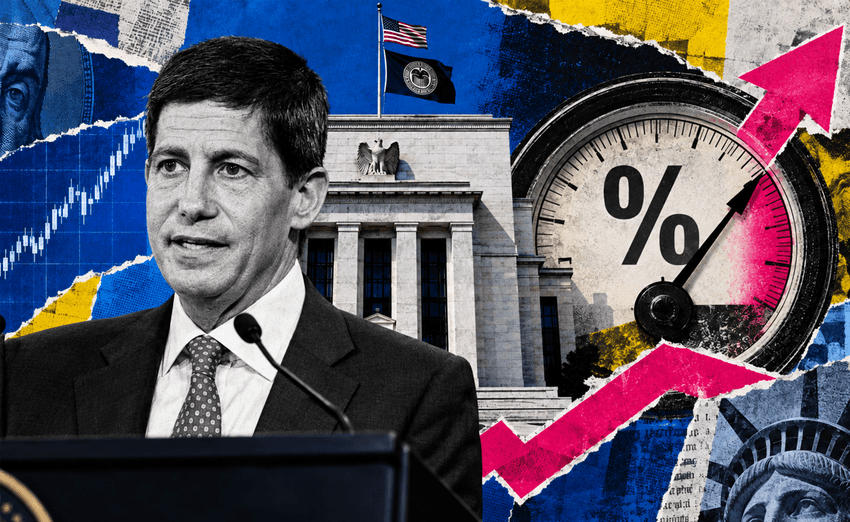

The Federal Reserve raised interest rates by 25 basis points on September 16, lifting the federal funds target range from 3.50%-3.75% to 3.75%-4.00% in its first increase since July 2023.
The decision was unanimous, with the Federal Open Market Committee voting 12-0 for the move. The increase had been widely anticipated by financial markets following stronger inflation and economic data. According to CME FedWatch figures cited ahead of the announcement, traders had priced in approximately a 93% probability of a quarter-point hike.
Bitcoin initially showed little reaction, trading around $75,000-$75,800 immediately surrounding the announcement before briefly moving toward $76,000. The broader cryptocurrency market had already fallen roughly 2% during the day.
The Fed said economic activity continues to expand at a solid pace, domestic spending remains resilient and job gains have kept pace with growth in the workforce. However, policymakers emphasized that inflation remains elevated.
Inflation Pushes Fed Toward Higher Rates
The case for tighter monetary policy strengthened considerably following August inflation data.
Producer prices increased 5.4% year over year, accelerating from 4.8% in July, while rising energy costs contributed heavily to monthly price pressures.
Consumer inflation remained at 3.4% annually, but monthly CPI growth accelerated to 0.4% from 0.1%. Core inflation, excluding volatile food and energy prices, also accelerated on a monthly basis.
At the same time, oil prices climbing above $100 per barrel added another potential source of inflationary pressure.
Those developments prompted some Wall Street institutions that previously expected the Fed to hold rates steady to change their forecasts ahead of Wednesday's decision.
The Fed said the increase would support a “timelier return” to its 2% inflation target, signaling that restoring price stability remains its priority.
Fed Signals More Tightening Could Follow
Wednesday's decision may not be the final rate increase of 2026.
The Fed's updated projections indicated that policymakers expect at least one additional increase before the end of the year, although future decisions will depend on incoming economic data.
The central bank had kept rates unchanged at 3.50%-3.75% in July, when three policymakers had already favored tighter monetary policy.
A stronger-than-expected August employment report, persistent inflation and rising energy prices subsequently strengthened the argument for action.
Markets responded to the September decision with a stronger U.S. dollar and higher short-term Treasury yields, while stocks moved lower.
Warsh Faces Political Pressure Over Rates
The decision also places Fed Chair Kevin Warsh at the center of a continuing disagreement over monetary policy with President Donald Trump.
Trump had repeatedly called for substantially lower interest rates, including in the weeks before Wednesday's meeting. After the decision, he again criticized the level of U.S. borrowing costs and argued that rates should be much lower.
Warsh, however, joined the unanimous FOMC decision to increase rates, with the central bank emphasizing persistent inflation and resilient economic activity as reasons for tightening policy.
Democratic Sen. Elizabeth Warren, meanwhile, has argued that higher rates increase borrowing costs for households through products such as mortgages and credit cards, while attributing some inflation pressure to administration policies.
Bitcoin Watches Fed's Next Move
For cryptocurrency markets, the key question is whether September marks the beginning of a longer tightening cycle.
Higher interest rates can make risk assets less attractive by increasing yields available from traditional fixed-income investments and tightening financial conditions.
Bitcoin's relatively muted immediate response suggested the quarter-point increase was largely priced into markets before the announcement. Attention will now shift toward upcoming inflation, employment and economic-growth data.
The Fed's next scheduled monetary policy meeting takes place on October 27-28, followed by its final 2026 meeting on December 8-9.
With inflation still above target and policymakers signaling that further tightening may be necessary, crypto investors will be watching closely for clues about whether another rate increase arrives before year-end.


