

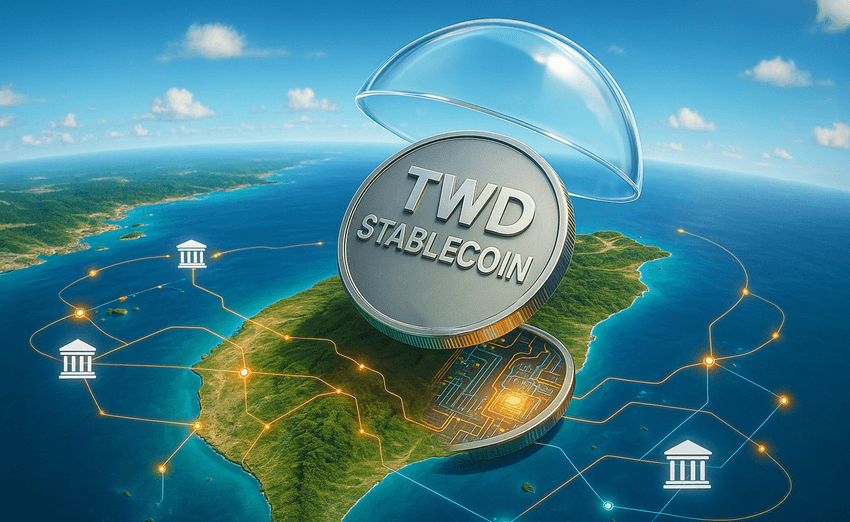

Taiwan Sets 2026 Target for First National Stablecoin
Taiwan is taking a decisive step into digital finance, preparing to introduce the island’s first regulated stablecoin as early as the second half of 2026. The plan follows rapid progress on the Virtual Assets Service Act (VASA), which the government says has already passed its initial cabinet review. Officials confirmed that once the law clears its third legislative reading next session, stablecoin regulations will be finalized within six months, paving the way for the nation’s debut asset.
Taiwan’s Financial Supervisory Commission (FSC) and the Central Bank have agreed that licensed financial institutions will lead issuance, though the rules will not strictly limit participation to banks. The long-awaited framework marks Taiwan’s biggest shift yet toward integrating digital assets into national financial infrastructure.
Key Question: NTD or USD Backing?
A major unresolved issue is whether the stablecoin should be pegged to the New Taiwan Dollar (NTD) or the US dollar (USD). Both options come with significant implications.
A USD-backed stablecoin could inadvertently bypass Taiwan’s strict currency export controls, while an NTD-backed stablecoin may struggle to compete internationally in a market dominated by USDT and USDC, which control ~99% of global stablecoin volume.
Analysts warn that Taiwan is a late entrant in the stablecoin race, facing stiff competition from global issuers. “Why would someone use a less-known stablecoin when USDT and USDC already dominate?” cautioned James Lee of TAITRA, noting low returns on reserves and limited scalability.
Taiwan Drafts Strict Reserve & Custody Requirements
Despite uncertainties, the FSC is drafting a framework emphasizing full reserve backing, segregated client funds, and domestic custody requirements. Issuers will need to maintain reserves in liquid, safe assets such as government bonds or bank deposits-mirroring standards seen in MiCA and the U.S. GENIUS Act.
The central bank has also asked for a formal supervisory role in determining risks related to foreign exchange controls, payment system stability, and banking integrations. This reflects the broader goal of ensuring that Taiwan’s first stablecoin reinforces financial safety, not undermines it.
Local Banks Already Preparing for the Stablecoin Era
Taiwan’s private sector isn’t waiting. O-Bank has already expressed interest in launching a TWD-pegged stablecoin, while KGI Bank signed a partnership with Tether to develop token-enabled cross-border financial applications.
Cathay United Bank is exploring its own issuance strategy pending further regulatory clarity.
These moves signal strong demand among financial institutions for digitized settlement tools, especially as Taiwan positions itself in the region’s growing on-chain payment ecosystem.
Global Context: The World Moves Toward Domestic Stablecoins
Taiwan’s timing aligns with a global shift toward national or bank-issued stablecoins:
- The U.S. dominates with 99% of global stablecoin activity following the GENIUS Act.
- Europe is developing Qivalis, an EU-regulated stablecoin under MiCA for 2026 release.
- Israel is preparing its digital shekel for 2026 with tight issuer oversight.
- Japan’s Sony Bank plans a USD-backed stablecoin for fiscal 2026.
- South Korea is weighing bank-led issuance for won-based stablecoins.
With global stablecoin issuance projected to hit $1.9T–$4T by 2030, Taiwan aims to avoid being left behind.


