

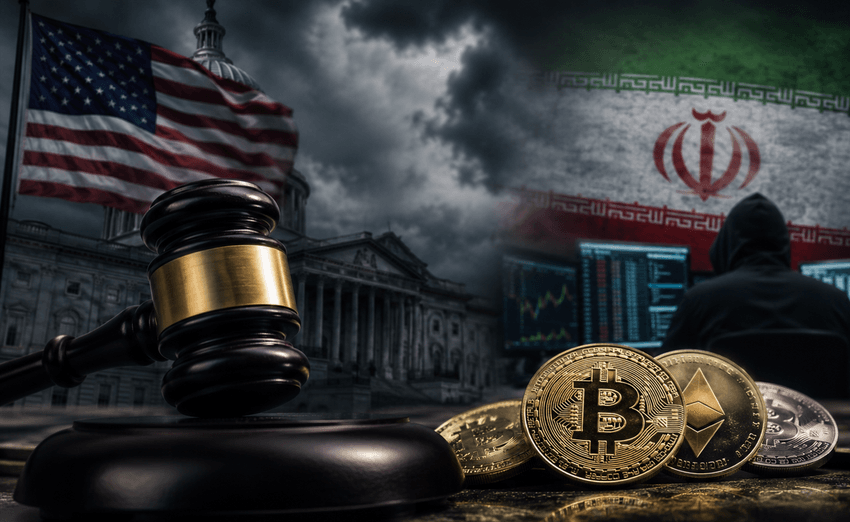

Treasury Targets Iran’s Largest Crypto Exchange
The U.S. Treasury Department has announced new sanctions against Nobitex, Iran’s largest cryptocurrency exchange, as part of the Trump administration’s ongoing "Economic Fury" campaign.
According to the Treasury’s Office of Foreign Assets Control (OFAC), Nobitex played a central role in Iran’s digital asset ecosystem and was allegedly involved in sanctions evasion activities, terrorist financing operations, and transactions connected to the Islamic Revolutionary Guard Corps (IRGC).
Officials claim the platform processed more than half of all cryptocurrency inflows into Iran during 2025, making it one of the country's most important financial gateways.
The move represents one of the most significant actions taken against Iran’s crypto sector to date.
Exchange Executives Also Face Sanctions
The sanctions extend beyond the exchange itself.
US authorities also designated several senior Nobitex executives, including chairman and co-founder Amir Hossein Rad, CEO Seyed Ali Khoee, and co-founders Ali Kharrazi and Mohammad Kharrazi.
The Kharrazi brothers have attracted particular attention due to their reported connections to influential political circles within Iran.
A Reuters investigation published earlier this year alleged that hundreds of millions of dollars linked to sanctioned Iranian entities moved through Nobitex's infrastructure.
The sanctions effectively freeze any assets under US jurisdiction and prohibit American individuals and businesses from conducting transactions with the designated parties.
Three More Exchanges Added to Sanctions List
The Treasury also imposed sanctions on three additional Iranian cryptocurrency exchanges: Wallex, Bitpin, and Ramzinex.
US officials allege these platforms facilitated transactions involving sanctioned entities and organizations linked to the IRGC.
The latest measures reflect Washington’s growing focus on digital assets as part of broader sanctions enforcement efforts.
Authorities increasingly view cryptocurrency platforms as potential channels for moving funds outside traditional banking networks, particularly in countries facing international financial restrictions.
Economic Fury Campaign Intensifies
The sanctions are part of the wider Economic Fury initiative aimed at limiting Iran’s access to global financial systems.
Treasury Secretary Scott Bessent argued that Tehran has increasingly relied on cryptocurrency infrastructure to bypass economic restrictions.

The campaign targets not only crypto exchanges but also broader financial networks that US officials believe help facilitate international transactions for sanctioned entities.
Crypto Seizures Add to Pressure
The latest sanctions follow recent claims from Bessent that US authorities have seized substantial amounts of cryptocurrency connected to Iranian networks.
Last week, the Treasury Secretary stated that the United States had confiscated approximately $1 billion worth of Iranian-linked crypto assets.
However, Treasury documents accompanying the new sanctions announcement referenced previous estimates of nearly $500 million in seized digital assets.
Regardless of the exact figure, the actions demonstrate Washington’s increasing willingness to pursue blockchain-based assets as part of its sanctions strategy.
Iran’s Crypto Industry Faces Growing Challenges
For years, cryptocurrency has played an increasingly important role in Iran’s economy.
Digital assets have provided alternative payment channels for businesses and individuals operating under international sanctions, while local exchanges helped facilitate access to global markets.
The new sanctions could make those activities significantly more difficult.
As regulatory pressure intensifies and international scrutiny increases, Iranian crypto platforms may face growing challenges accessing liquidity, counterparties, and global financial infrastructure.
At the same time, the measures highlight the expanding role cryptocurrencies now play in geopolitical disputes, sanctions enforcement, and international financial policy.


