

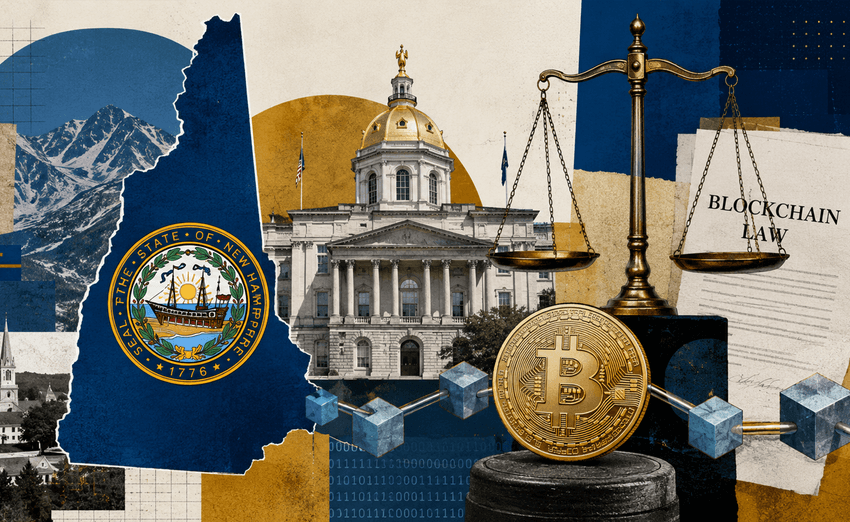

New Hampshire has strengthened its position as one of the most cryptocurrency-friendly states in the United States after Governor Kelly Ayotte signed the Blockchain Basic Laws Act (HB 639) into law. The legislation introduces broad legal protections for cryptocurrency users, blockchain developers, miners, validators, and businesses while establishing a dedicated legal framework for resolving blockchain-related disputes.
The move builds on the state's earlier decision to create a strategic Bitcoin reserve, further cementing New Hampshire's reputation as a leader in blockchain innovation and digital asset adoption.
🚨 Today is another historic day for New Hampshire.
— NH Blockchain Council (@NHBlockchain) July 13, 2026
Governor @KellyAyotte has signed HB 639, the Blockchain Basic Laws, making New Hampshire home to one of the nation's strongest legal frameworks protecting blockchain innovation and digital asset rights.
The law protects… pic.twitter.com/DxVSfxAjpI
🚨 Today is another historic day for New Hampshire.
— NH Blockchain Council (@NHBlockchain) July 13, 2026
Governor @KellyAyotte has signed HB 639, the Blockchain Basic Laws, making New Hampshire home to one of the nation's strongest legal frameworks protecting blockchain innovation and digital asset rights.
The law protects… pic.twitter.com/DxVSfxAjpI
New Law Protects Self-Custody and Blockchain Activity
The newly enacted Blockchain Basic Laws Act provides legal certainty for individuals and businesses participating in the blockchain economy. One of its central features is the explicit protection of self-custody, ensuring residents maintain the right to control and manage their own digital assets without relying on third-party custodians.
The legislation also provides legal protections for blockchain developers, Bitcoin miners, staking validators, entrepreneurs, and companies building blockchain-based financial technologies within the state.
In addition, the law authorizes the creation of a specialized blockchain dispute docket within New Hampshire's superior court system, allowing judges with relevant expertise to handle legal matters involving digital assets and blockchain technology.
Lawmakers Aim to Attract Blockchain Businesses
Representative Keith Ammon, the primary sponsor of the legislation, described the law as an important step toward protecting innovation and encouraging investment in the state's growing blockchain sector.

Ammon added that the legislation also delivers much-needed legal clarity for developers, miners, validators, startups, and businesses building the next generation of financial technology.
Following the bill's signing, he emphasized that entrepreneurs and blockchain companies across the country should view New Hampshire as an attractive destination for digital asset innovation.
Building on the State's Bitcoin Reserve
The latest legislation follows another landmark crypto initiative approved by the state last year.
In May 2025, Governor Ayotte signed legislation allowing the New Hampshire State Treasurer to invest up to 5% of public funds in Bitcoin, alongside traditional reserve assets such as gold and silver. The measure made New Hampshire one of the first U.S. states to officially authorize public investment in Bitcoin reserves.
With both laws now in place, New Hampshire has established one of the most comprehensive state-level legal frameworks supporting cryptocurrency ownership, blockchain development, and institutional adoption.
Governor Ayotte praised the latest legislation as another major milestone in positioning the state at the forefront of blockchain innovation.
Crypto-Friendly Agenda Continues Despite One Setback
Although New Hampshire continues expanding its support for digital assets, not every crypto proposal has advanced successfully.
Last week, the state's Executive Council rejected a proposal that would have allowed the New Hampshire Business Finance Authority to facilitate a Bitcoin-backed municipal bond. While the measure failed to gain approval, it highlights the state's ongoing willingness to explore innovative uses of digital assets within public finance.
Even with that setback, the passage of HB 639 reinforces New Hampshire's long-term strategy of creating a favorable legal environment for blockchain businesses, investors, and technology developers.
As more U.S. states continue debating cryptocurrency legislation, New Hampshire's latest law further distinguishes it as one of the country's most proactive jurisdictions for supporting blockchain innovation, digital asset ownership, and financial technology development.


