


Revolut Expands Its Crypto Push With Physical Card Launch
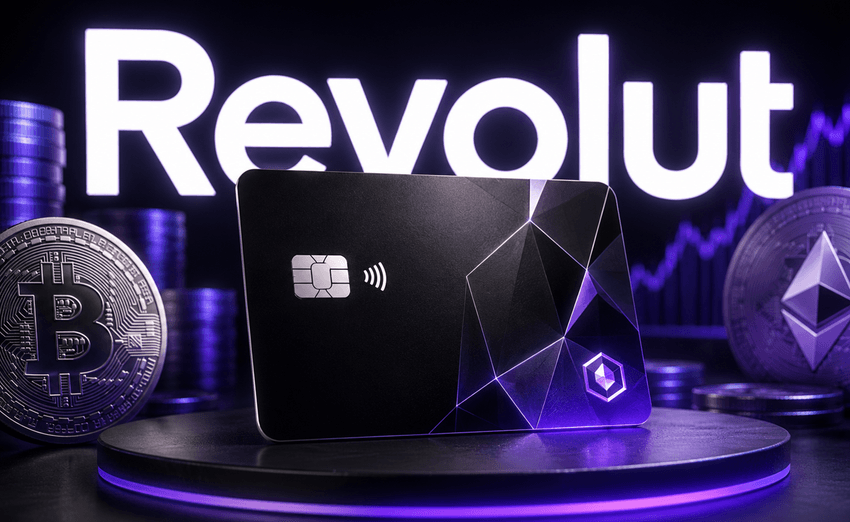
Digital banking giant Revolut has officially unveiled its first-ever physical crypto card, signaling another major step in the company’s expanding digital asset strategy.
The new card features a Dogecoin-themed design and includes an integrated LED light display that activates during contactless payments. According to the company, the card will initially roll out across the United Kingdom and most countries inside the European Economic Area.
However, the launch will exclude users in Hungary, Switzerland, and Portugal during the first phase.
The crypto card can reportedly be used anywhere Visa and Mastercard are accepted, allowing users to spend digital assets in everyday retail environments much like a traditional debit card.
Physical crypto card. Much light. Very tappy.
— Revolut (@Revolut) May 18, 2026
Don’t invest unless you’re prepared to lose all the money you invest. This is a high‑risk investment and you should not expect to be protected if something goes wrong. Take 2 minutes to learn more: https://t.co/lCrP5I8bqr pic.twitter.com/rJczJAwu1P
Physical crypto card. Much light. Very tappy.
— Revolut (@Revolut) May 18, 2026
Don’t invest unless you’re prepared to lose all the money you invest. This is a high‑risk investment and you should not expect to be protected if something goes wrong. Take 2 minutes to learn more: https://t.co/lCrP5I8bqr pic.twitter.com/rJczJAwu1P
Crypto Card Usage Continues Rising Globally
Revolut’s launch arrives during a broader surge in crypto-linked payment card adoption across the industry.
Major exchanges and fintech firms including Crypto.com, Coinbase, and Binance have all expanded their crypto card offerings over the past year as competition intensifies around digital asset spending infrastructure.
Crypto card transactions have climbed steadily since last year, with daily transaction counts recently surpassing 100,000 on multiple occasions.
The growing demand reflects a larger trend in the crypto market: users increasingly want digital assets to function not only as speculative investments, but also as practical payment tools.
Revolut Says No Additional Exchange Fees Apply
In its announcement on X, Revolut clarified that users will not face additional exchange fees when using the crypto card for purchases.
However, the company noted that crypto payments remain subject to exchange-rate fluctuations at the exact moment of transaction execution. Depending on local regulations, users may also face tax obligations when spending digital assets through the card.
That detail is important because many jurisdictions still classify crypto spending events as taxable disposals.
The card effectively converts crypto balances into fiat currency during the payment process, allowing merchants to receive standard local currency settlements while customers spend digital assets behind the scenes.
Revolut Deepens Its Crypto Ecosystem
The physical card launch is part of a broader effort by Revolut to expand its role inside the crypto economy.
Last year, the company integrated Polygon infrastructure into its app to support crypto remittances, staking functionality, and in-app crypto payments.
That integration allowed users to access faster blockchain-based transfers and participate in staking services directly inside the Revolut ecosystem.
The company has steadily increased its crypto offerings despite growing regulatory scrutiny across Europe and other major markets.
Banking Expansion Could Support Stablecoin Plans
At the same time, Revolut is aggressively pursuing banking expansion that could strengthen its future crypto ambitions.
In March, the company secured regulatory approval to launch a fully licensed bank in the United Kingdom. Around the same period, Revolut also began seeking a de novo banking license in the United States.
Some industry analysts believe those banking efforts could eventually support the launch of a stablecoin product aligned with America’s GENIUS Act framework.
Stablecoins have become one of the fastest-growing sectors in digital finance, with traditional fintech firms increasingly exploring blockchain-based payment rails for remittances, cross-border settlements, and consumer spending.
Crypto Cards Become a Key Growth Area
Crypto-linked payment cards are rapidly evolving into one of the industry’s most competitive battlegrounds.
Companies like Gemini have already described card operations as an increasingly meaningful revenue source, while stablecoin firms and crypto wallet providers continue exploring debit-card integrations as natural extensions of their ecosystems.
For Revolut, the Dogecoin-themed card is both a branding play and a strategic move designed to capture younger crypto-native consumers who increasingly expect digital assets to integrate seamlessly into daily financial activity.
The launch also highlights how crypto payments are steadily moving beyond niche blockchain users into mainstream consumer finance infrastructure.


