

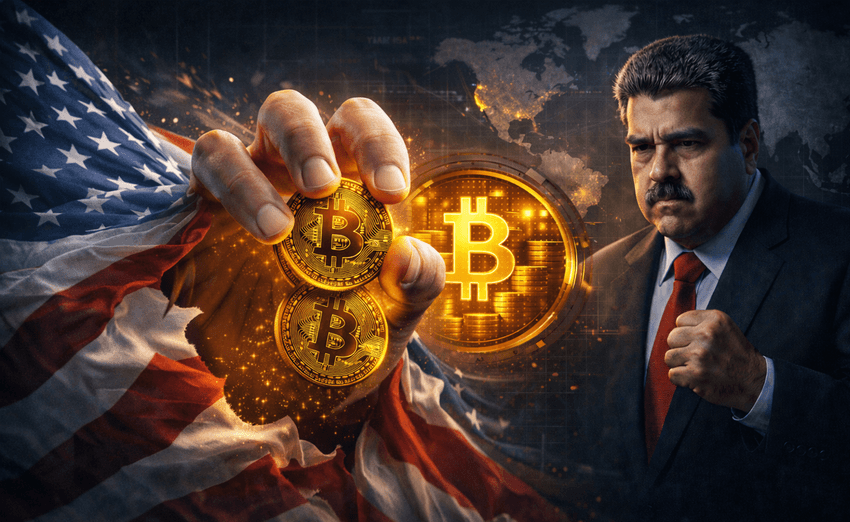

U.S. Targets Crypto Assets After Maduro’s Fall
According to reports circulating in U.S. policy and financial circles, American authorities are examining ways to secure and potentially confiscate Bitcoin reserves associated with the Venezuelan state. The alleged action follows Maduro’s capture and transfer to U.S. custody, marking one of the most dramatic escalations yet in Washington’s long-running standoff with Caracas.
Venezuela has historically leaned on cryptocurrency adoption as its national currency collapsed under extreme inflation. That legacy now places Bitcoin squarely in the crosshairs of international enforcement efforts tied to sanctions and criminal prosecutions.
Bitcoin Jumps as Markets Price in Oil Shock
Crypto markets reacted swiftly. Bitcoin surged above $94,000, breaking out after months of subdued trading as investors recalibrated expectations around energy supply, inflation, and geopolitical risk.
White House spokesperson Taylor Rogers said earlier that U.S. oil companies were prepared to reinvest heavily in Venezuela once political conditions change, claiming the country’s infrastructure had been “destroyed by the illegitimate Maduro regime.”
The prospect of Venezuela re-entering global oil markets has shifted sentiment decisively toward risk-on assets, including crypto.
Oil Supply Narrative Reshapes Crypto Sentiment
Speaking to CNBC, crypto markets reporter Mackenzie Sagalos explained that traders are betting Maduro’s removal could unlock vast oil reserves long kept offline.
Venezuela is believed to sit on nearly $17 trillion in untapped crude reserves. If production resumes, the logic goes, energy prices could fall, easing inflation pressure globally and supporting assets like Bitcoin.
Technically, Bitcoin reclaimed its 50-day moving average, triggering a wave of short liquidations that accelerated the rally. Unlike previous geopolitical shocks-such as last summer’s Iran-related tensions-this development is being interpreted as disinflationary, not disruptive.

Venezuela’s Deep and Murky Crypto History
Crypto adoption in Venezuela dates back to 2017, when hyperinflation in the bolívar pushed households toward Bitcoin and Ethereum for survival. Home mining operations became common, offering families a way to preserve value and generate income.
Official data from Bitcoin Treasuries suggests the Venezuelan government holds around 240 BTC, valued near $22 million. However, that figure is heavily disputed.
A recent Whale Hunt report denied the official estimate and claimed Venezuela could be sitting on a shadow reserve of up to 600,000 BTC-worth roughly $60 billion at current prices and representing nearly 3% of Bitcoin’s circulating supply. While unverified, such claims have fueled intense speculation about what U.S. authorities might actually uncover.
Energy, Crypto and Geopolitics Collide
The situation is unfolding as U.S. Energy Secretary Chris Wright prepares to attend a major energy conference hosted by Goldman Sachs in Miami. Executives from Chevron and ConocoPhillips are also expected, underscoring how closely crypto markets, oil policy, and geopolitics are now intertwined.
If Washington moves ahead with seizing Venezuelan Bitcoin, it could set a global precedent for how sovereign crypto assets are treated during regime collapses-potentially reshaping both state finance and crypto’s role in geopolitics.


