

TINA Airdrop
TINA is a Solana-based DePIN project that collects location data through place registration, community verification and driving activity. Its live app and planned THINKWARE-based dashcam connect everyday contributions with rewards. A daily Gacha campaign offers points linked to future airdrops and a chance to win a dashcam.
 blockchain
 Category
 Airdrop Date
 Market cap
 KYC
KYC Project age
Airdrop farming steps
Step-by-Step Guide to Farming TINA Airdrop
Connect Your Wallet: Open TINA Gacha page and connect a Solana wallet.
Collect Your Daily Ticket: Return to campaign page daily to collect the free Gacha ticket used for a spin.
Check the Fee and Spin: Keep SOL available and review the transaction cost before approving your spin: the official notice estimates 0.000005 SOL. Spins can award Lucky Points or additional tickets.
Accumulate Points and Track the Draw: Even one Lucky Point provides a chance in the advertised five-dashcam draw. Continue collecting points and follow official updates for prize terms and future airdrop details, token conversion is not guaranteed.
Contribute Through the App (Optional): Install TINAGeo through its official app links, then register places, verify locations or use the Drive function. App rewards are separate from Gacha Lucky Points, with no confirmed cross-program multiplier.

Project Review
Problem Solved
Maps become less useful when businesses move, roads change or local information goes stale. Updating that information centrally is expensive, while people who notice changes rarely receive compensation. TINA distributes collection across users who register places, verify submissions and record driving activity. The commercial proposition is to turn everyday contributions into geographic data that businesses will pay for. Its app already supports these activities, with dedicated dashcams planned to expand collection. The difficult part is filtering inaccurate or duplicated submissions and producing information customers actually need, since more activity alone does not make a dataset valuable.
Tokenomics
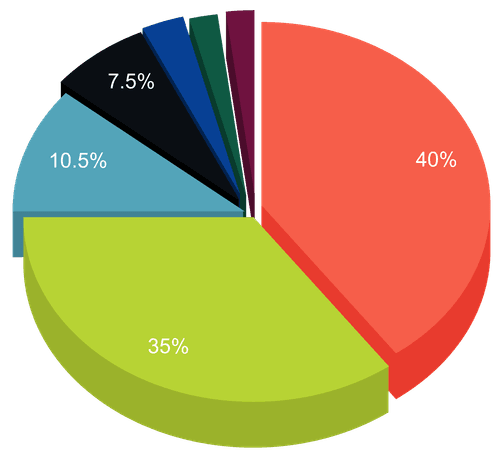
TINA has a five billion token supply on Solana, with 40% allocated to ecosystem/community, 35% development, 10.5% marketing, 7.5% treasury, 4% team, and 1.5% each to advisors and token sales. Utility covers contribution rewards and ecosystem purchases, with no additional minting or burning policy stated. Development, marketing and treasury allocations total 53% without vesting restrictions, although this does not establish current circulation. Team and advisor allocations have a 12-month lock followed by staged releases; most community tokens also vest. Gacha Lucky Points remain separate, with no disclosed conversion rate or guaranteed allocation from the community pool.
Perspectives
TINA's next test is turning its app and hardware partnership into a commercially useful data network. Dashcam shipping is estimated for Q2 2027, followed by a data-market beta targeted for the second half of that year. Long-term rewards depend on recurring demand for the data being collected. Better coverage could attract buyers in mobility and mapping, but the team still needs to demonstrate reliable delivery, data quality and paying customers. Earlier preorder targets shifted, so timelines deserve caution. Exchange selection is also on the roadmap, while confirmed liquidity and sustainable hardware earnings remain unresolved.
Founders and Team
TINA is operated by South Korea's Heptone, with Munk Seo publicly representing the project alongside CTO Kevin and CMO Joel. Leadership is identifiable, but the team's technical track record remains only partially visible. Public interviews and a working app provide some evidence of execution, while partnerships involving THINKWARE and AhnLab Blockchain Company add relevant industry connections. However, detailed engineering biographies and independently corroborated prior achievements remain limited. These relationships could help with hardware integration and distribution, but they do not establish that Heptone can operate a global data business or deliver the full roadmap.
Funding
Notable Investors: THINKWARE, Gemhead Capital, Archer Capital, Mayer Venture
TINA reported securing $3 million to support international expansion, its dashcam ecosystem and geospatial infrastructure. THINKWARE's reported participation is particularly relevant because the project depends on vehicle hardware integration. The other named backers broaden its funding base, but the round stage, valuation and financing terms remain undisclosed. This capital supports further development, although there is insufficient information to judge runway or whether it covers a global hardware rollout. Funding is a useful credibility signal, but commercial traction still needs to follow. Partner announcements and investor participation should not be mistaken for evidence of recurring customer revenue.




Community
TINA has approximately 27K X followers, based on the supplied count, alongside roughly 17.5K Telegram community members and 7.6K announcement subscribers. The daily Gacha campaign encourages repeat visits through points and additional tickets. The dashcam draw gives participants an extra benefit beyond uncertain token rewards. Five winners are advertised, and even one Lucky Point provides a chance to win hardware that could later support driving rewards. This is a useful acquisition mechanism, but social counts do not establish organic retention. Sentiment remains difficult to assess, while prize delivery eligibility and eventual token-claim requirements need clarification.
Competitors
Hivemapper and NATIX are the clearest competitors. Hivemapper rewards street imagery and map-quality contributions with HONEY, while NATIX collects camera data for mapping and autonomous-driving applications, including Tesla footage through VX360. TINA's positioning combines accessible place-registration tasks with planned THINKWARE-based dashcams. That gives it several ways to recruit contributors, but rewarding drivers for data is already a contested model. Its hardware relationship could help distribution, although it does not guarantee better coverage or customer demand. The practical competitive test is whether TINA can supply useful, verified information in locations and formats that buyers are willing to purchase.
Conclusion
TINA has a working app, reported funding and a relevant hardware partner, giving its mapping proposal a concrete starting point. The Gacha campaign is straightforward, and the possibility of winning a dashcam adds a practical bonus that could lead to later earning opportunities. The central uncertainty is whether data demand can support lasting rewards. Points conversion remains unspecified, hardware fulfilment is still ahead and large token allocations lack vesting restrictions. TINA is a credible early contender in a competitive niche, with its strongest case resting on useful data and reliable delivery rather than the size of its giveaway campaign.
Leave your honest TINA Airdrop review

TINA Airdrop
 4
4 0
0