

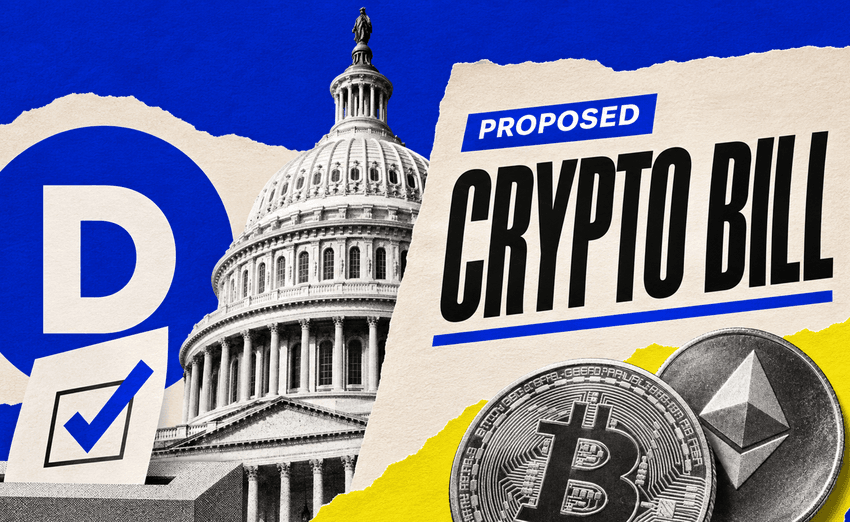

House Democrats are reportedly developing a new cryptocurrency market structure bill following their victories in the November 3, 2026, US midterm elections.
According to crypto journalist Eleanor Terrett, Democratic lawmakers are discussing plans to expand Representative Maxine Waters' Crypto Investor and Consumer Bill of Rights into broader legislation.
The proposed framework could significantly reshape how cryptocurrencies are regulated in the United States.
Early discussions reportedly include giving the Securities and Exchange Commission (SEC) greater oversight authority while limiting the Commodity Futures Trading Commission's (CFTC) role.
However, the legislation remains under discussion, with no finalized bill or confirmed introduction date.
🚨SCOOP: House Democrats are discussing plans to expand the Crypto Investor and Consumer Bill of Rights, @RepMaxineWaters’ amendment to the Clarity Act in 2025, into a broader crypto “market structure” bill next Congress.
— Eleanor Terrett (@EleanorTerrett) November 4, 2026
The proposal would fold in Democratic Clarity Act…
CLARITY Act Faces Uncertain Future
The proposed legislation comes after the CLARITY Act failed to advance in the Senate, leaving comprehensive US cryptocurrency regulation unresolved.
The bill aimed to establish clearer responsibilities for federal regulators and provide legal certainty for digital asset businesses.
However, disagreements over investor protections, regulatory authority and conflicts of interest prevented sufficient Senate support.
Following the Democratic midterm victories, analysts believe passing the existing CLARITY Act has become more difficult.

He suggested any future agreement would likely require stronger provisions addressing consumer protections and potential conflicts of interest.
The next Congress begins on January 3, 2027, potentially opening negotiations around an alternative regulatory framework.
SEC Could Gain More Power Over Crypto Markets
Democrats' emerging proposal could expand SEC supervision of cryptocurrency trading platforms and digital assets.
The framework may incorporate provisions previously proposed by Maxine Waters, alongside measures negotiated between Senate Democrats and Republicans.
Additional requirements could address investor safeguards, exchange transparency and regulatory compliance.
Democratic lawmakers have also supported restrictions preventing public officials and their families from profiting from cryptocurrency-related businesses.
These provisions could affect President Donald Trump's cryptocurrency ventures, although specific legislative language has not been finalized.
For now, the division of authority between the SEC and CFTC remains a central issue in negotiations.
Pro-Crypto Candidates Win 27 Midterm Races
Despite the political changes, cryptocurrency advocacy organization Stand With Crypto reported 27 victories among its endorsed candidates.
The organization supported 45 candidates, with 12 losing and six races remaining undecided when the figures were reported.
Nearly half of its endorsed candidates were Democrats, highlighting growing bipartisan interest in digital asset policy.
However, the defeat of Republican Bryan Steil represented a setback for cryptocurrency legislation.
Steil previously chaired the House digital assets subcommittee and played an important role in advancing the CLARITY Act.
Meanwhile, Democrats Chris Pappas and James Talarico were among the successful candidates identified as supportive of cryptocurrency policy.
Bitcoin Reacts as Crypto Industry Looks Toward 2027
Bitcoin experienced renewed volatility following the election results, trading near $76,820 after declining approximately 4.1% during the reported session.
Analysts cautioned that slower legislative progress could delay certain institutional cryptocurrency activities.
However, existing regulatory agencies can continue developing rules without waiting for Congress to pass comprehensive legislation.
CoinShares research director James Butterfill suggested that US cryptocurrency businesses requiring new regulatory permissions could experience the most immediate impact.
Additional attention on artificial intelligence regulation could also slow congressional discussions surrounding digital assets.
For now, the industry's focus is shifting toward whether Democratic lawmakers and Republicans can negotiate a bipartisan replacement for the CLARITY Act.
The next Congress could redefine US cryptocurrency regulation, but the final direction will depend on legislative negotiations and presidential approval.


